
Aktualności

Światowy Dzień Żywności 2020
Zachęcamy do lektury wywiadu o żywności i problemie głodu z przedstawicielem IGO. Wywiad ukazał się w portalu ngo.pl.


Artykuły
Materiały do edukacji globalnej nt. długów krajów P...
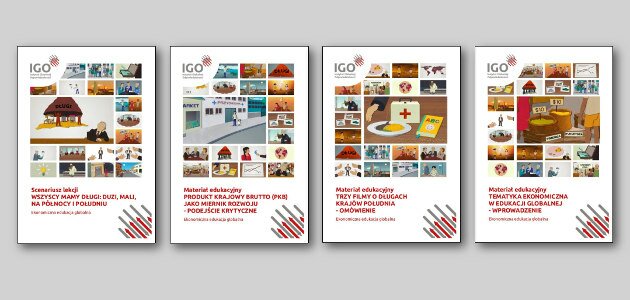
IGO przygotował zestaw materiałów edukacyjnych do wykorzystania na zajęciach edukacji globalnej na temat zadłużenia krajów globalnego Południa.


Światowy Dzień Żywności 2020
Zachęcamy do lektury wywiadu o żywności i problemie głodu z przedstawicielem IGO. Wywiad ukazał się w portalu ngo.pl.
List otwarty 500 organizacji do MFW
500 organizacji społeczeństwa obywatelskiego i pracowników naukowych wystosowało list otwarty przed dorocznymi spotkaniami Międzynarodowego Funduszu Walutowego i Banku Światowego.
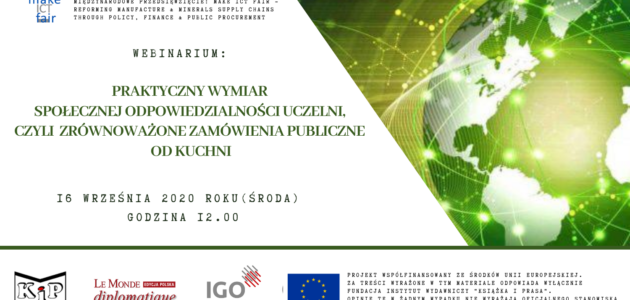
Webinarium: Praktyczny wymiar społecznej odpowiedzialności uczelni
Zapraszamy na webinarium eksperckie z cyklu: Sprawiedliwa elektronika – Praktyczny wymiar społecznej odpowiedzialności uczelni, czyli zrównoważone zamówienia publiczne od kuchni
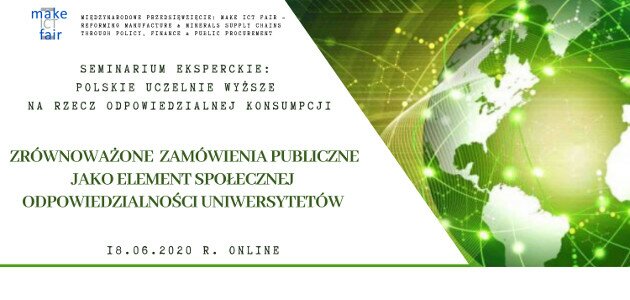
Seminarium: Polskie uczelnie wyższe wobec odpowiedzialnej konsumpcji
W imieniu organizatorów zapraszamy na seminarium z cyklu “Sprawiedliwa elektronika” pt. “Polskie uczelnie wyższe wobec odpowiedzialnej konsumpcji. Zrównoważone zamówienia publiczne jako element społecznej odpowiedzialności uniwersytetów“. Organizator: Instytut Wydawniczy “Książka i…

Międzynarodowa Konferencja Naukowa: Ekonomia Społeczna 2020
Międzynarodowa Konferencja Naukowa: Ekonomia Społeczna 2020. Przedsiębiorczość społeczna wobec wyzwań XXI wieku